

What Is Already Being Marked in Kazakhstan Today and What Will Fall Under Marking by 2028
Not long ago, marking in Kazakhstan meant cigarettes. Now the list includes beer, dietary supplements and oils, and by 2028 clothing, toothpaste, chocolate and household chemicals will be added. We have put together a calendar: what is already mandatory, what starts in the coming months, and what businesses need to prepare for.
Five years ago, marking in Kazakhstan meant cigarettes. Today it covers footwear, medicines, beer, motor oils and dietary supplements, and the schedule for the next two years goes further: clothing, bed linen, toothpaste, vegetable oil, chocolate, household chemicals.
If you produce, import or sell something, there is a good chance your product is already on this list, just with a date you have not reached yet. We have put everything into a single calendar: what is mandatory right now, what starts in the coming months and what lies ahead. And at the end we will explain how to check your product, because what decides it here is not whether it "looks like" something, but a specific code.
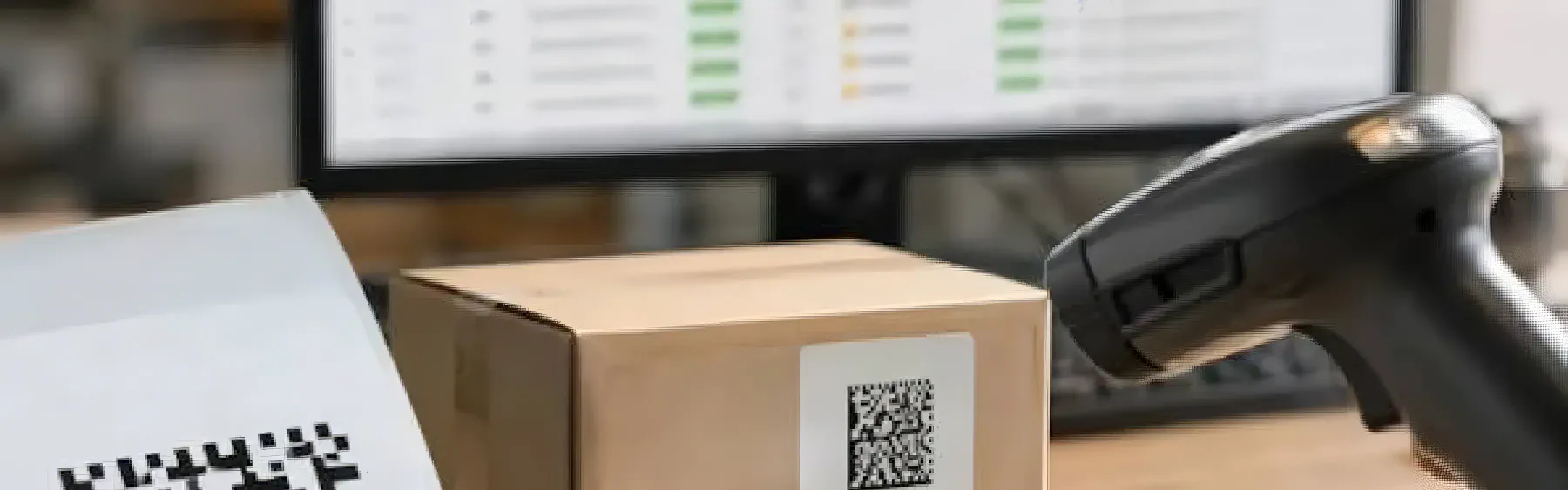
How it all began: tobacco, footwear, medicines
Tobacco was the first to be subject to marking. Starting from October 1, 2020, codes appeared on cigarettes, and from April 2021, on cigars, cigarillos, sticks, vapes and e-liquids. In November 2021, it was the turn of footwear: rubber, leather, textile, any kind. Medicines joined from July 1, 2024. This covers virtually all packaged medicines, except veterinary ones.
A separate line, starting from December 1, 2025, covers saiga horns, whether processed or not, together with powder and waste. It is an exotic item, but a telling one: the system is growing not only through mass-market goods.
These three categories have become something of a school for the market. Shoe retailers and pharmacies have already traveled the road that others are now taking, and their experience will be useful to new participants.
2026: the wave that is happening right now
This year is the busiest. From February 1, labeling became mandatory for beer and beer beverages (including non-alcoholic) poured into kegs, and for motor oils. From September 1, bottled beer, dietary supplements, other lubricating oils, and automotive fluids were added: brake fluids, antifreezes, and de-icers.
There is a nuance with dietary supplements. This concerns supplements that have a valid certificate of state registration in Kazakhstan or the EAEU: specialized food products, vitamin and mineral blends, syrups, plant extracts — everything registered as a supplement.
For beer, the schedule follows packaging: kegs from February, bottles from September, cans from 1 January 2027. Most likely, the logic is that each type of container has its own filling line and its own method of applying the code, so brewers were given the chance to reconfigure their lines one at a time rather than all at once.
Clothing and textiles: the next big date
The next big step will come on December 1, 2026, when labeling reaches the light industry. The rules have already been approved by the Ministry of Industry and Construction; their main provisions enter into force on November 14, and the labeling itself will proceed in three stages.
From December 1, 2026, codes will be required on products made of faux fur, ski suits, some knitwear and on linens: bed, table, toilet and kitchen. From March 1, 2027, knitted blouses, sweaters, cardigans, shawls, scarves and ties will be added. And from October 1, 2027, suits, jackets, blazers, dresses, skirts, trousers, overalls, tracksuits and knitted shirts, for men, women and children.
It is better not to guess about the boundaries between the stages. In different retellings of the order, certain types of outerwear move from one wave to another, so always check your position against the official list.
A soft transition was provided for clothing. Codes must be applied starting December 1, but traceability — when information about the movement of goods between market participants is sent into the system — will begin only on October 1, 2027. Remaining stock already sitting in warehouses must be marked no later than January 1, 2028. Importers, meanwhile, must ensure codes before the goods are brought into the country, that is, agree with the foreign supplier in advance, rather than after the container arrives.
In the summer, the system operator said that after the functionality for light industry is launched, participants would be able to test the system and connect their accounting software. Clothing retailers have it easier than others: the processes are very similar to footwear.
What is in the queue for 2027–2028
The start of 2027 is packed. From January 1, canned beer becomes subject to labeling; from March 1, hair products, toothpastes and dental floss; from April 1, vegetable oils and oil-and-fat products in consumer packaging produced from that date.
In the second half of the year, it is the turn of confectioners: from September 1, 2027, certain types of confectionery products in consumer packaging are labeled, including chocolate, candies, cookies, wafers, and jams. Household chemicals, detergents and cleaning products have received one of the furthest dates, June 1, 2028.
At the same time, the list is not closed. The operator ran pilot projects for household chemicals and cosmetics, medical products and vegetable oil, while pilots for jewellery, liquefied gas and wood have already been completed. Government agencies are considering such items, and according to industry publications, vegetables, perfumery, cosmetics and hygiene products are also planned for 2028–2029. These are data from the operator and the press, not a final list, so keep an eye out for updates.
What happens if you miss the deadline
Since January 15, 2026, Kazakhstan has been issuing fines for the absence of a marking code on the receipt. A first violation results in a warning, while a repeat violation is fined: small businesses 20 MRP (monthly calculation index), medium-sized businesses 30, and large businesses 40. The amounts are not frightening yet, and the Almaty Department of State Revenue makes no secret of the fact that the situation may change.
The fine is not the main issue here at all. For the equipment, the accounting system and the people on the line to be up and running by the required date, our experience shows that it takes weeks, and often months. Those who have less than a quarter left until their date should already be taking action.
The packaging determines the application method
Each category also has a physical question: with what and where to apply the code. A beer bottle, a can, and a household chemical bottle are one task. A flow pack with a chocolate bar or a bag of cookies is a completely different one: a label on flexible film adheres poorly, so a TTO printer is usually used there, printing directly onto the material. For boxes and clothing labels, label printers and applicators are more often suitable; for a toothpaste tube or a plastic canister, inkjet and laser markers are used.
We have written in detail about printers, TTO, applicators and inspection cameras in the blog before. If your category is in the calendar, it is time to return to these articles.
Where to start the check
First, find your product in the official list. There is a detail here that is often overlooked: regulators look simultaneously at the EAEU HS code (TN VED) and at the official name of the item. Both must match, so a simple "ours is chocolate" or "ours is clothing" is not enough.
"Marking does not come to an "industry" but to a specific item from the order — with its own HS code and its own date."
It is also useful to count backwards from the date for your category: when to order the first codes, when to purchase and set up equipment, when to connect the accounting system and train people. The start date is not the moment to begin, but the moment by which everything must already be working.
A separate point for clothing importers: a conversation with the supplier, because the codes must be applied before import. And those who already have a line installed should look at what it has: sometimes a printer and an applicator are enough, sometimes a new unit is needed.
The list has already been amended in March and June 2026, and these are unlikely to be the last revisions. The dates in this article are current as of October 2026, and before launching a project it is best to check the current version of the order.
Not sure whether your product is on the list or which deadline to prepare for? Send us the product name and HS code, and we will tell you your date and select equipment for your packaging and line speed.